From sourcing and receiving to holding, packing and transport, KLC Seafood manages the quality, condition and records of premium live seafood by lot.
Freshness is only one consideration when buying premium live seafood in China. Importers, distributors and restaurant groups also need to know where each lot comes from, how its quality is checked and whether the records are sufficient for verification when needed.
According to the Agricultural, Forestry and Fisheries Market Bulletin issued by Vietnam’s Ministry of Industry and Trade on 17 November 2026, citing China Customs data, China’s seafood imports reached USD 17.95 billion in the first nine months of 2026, up 25.8% year on year. Vietnam was China’s third-largest seafood supplier, accounting for 8.33% of China’s total seafood import value, equivalent to approximately USD 1.49 billion.
On 1 June 2026, the rules governing the registration of overseas food producers exporting to China under Decree No. 280 of the General Administration of Customs of China took effect, replacing Decree No. 248. The new rules continue to emphasize company responsibility, food safety systems and risk-based management.
Against this backdrop, importers are asking more than “Is it fresh?”
Where does it come from? How is quality controlled? Can each lot be verified? What documents accompany the shipment?
These questions also guide how KLC Seafood is developing its quality control and traceability system for international markets.
① Quality starts at the source
For live seafood, the quality of each lot starts with how the supply is organized and controlled.
KLC Seafood has developed a network of approximately 884 hectares of partnered farming areas in Cam Ranh, Vạn Ninh and Sông Cầu, working with cooperatives and marine farming communities in key production areas of central Vietnam. This network gives the company greater control over sourcing and the information it collects at origin.
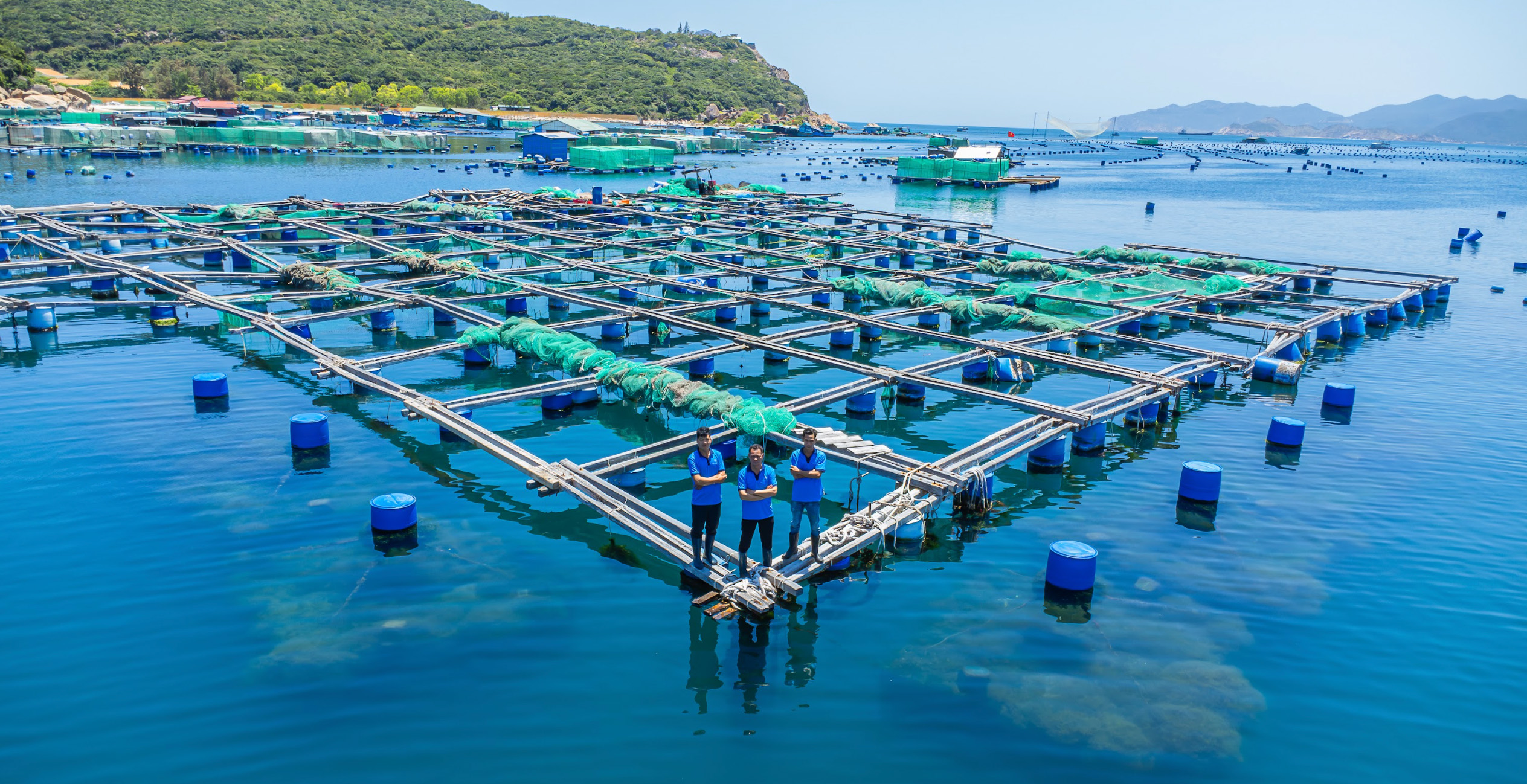
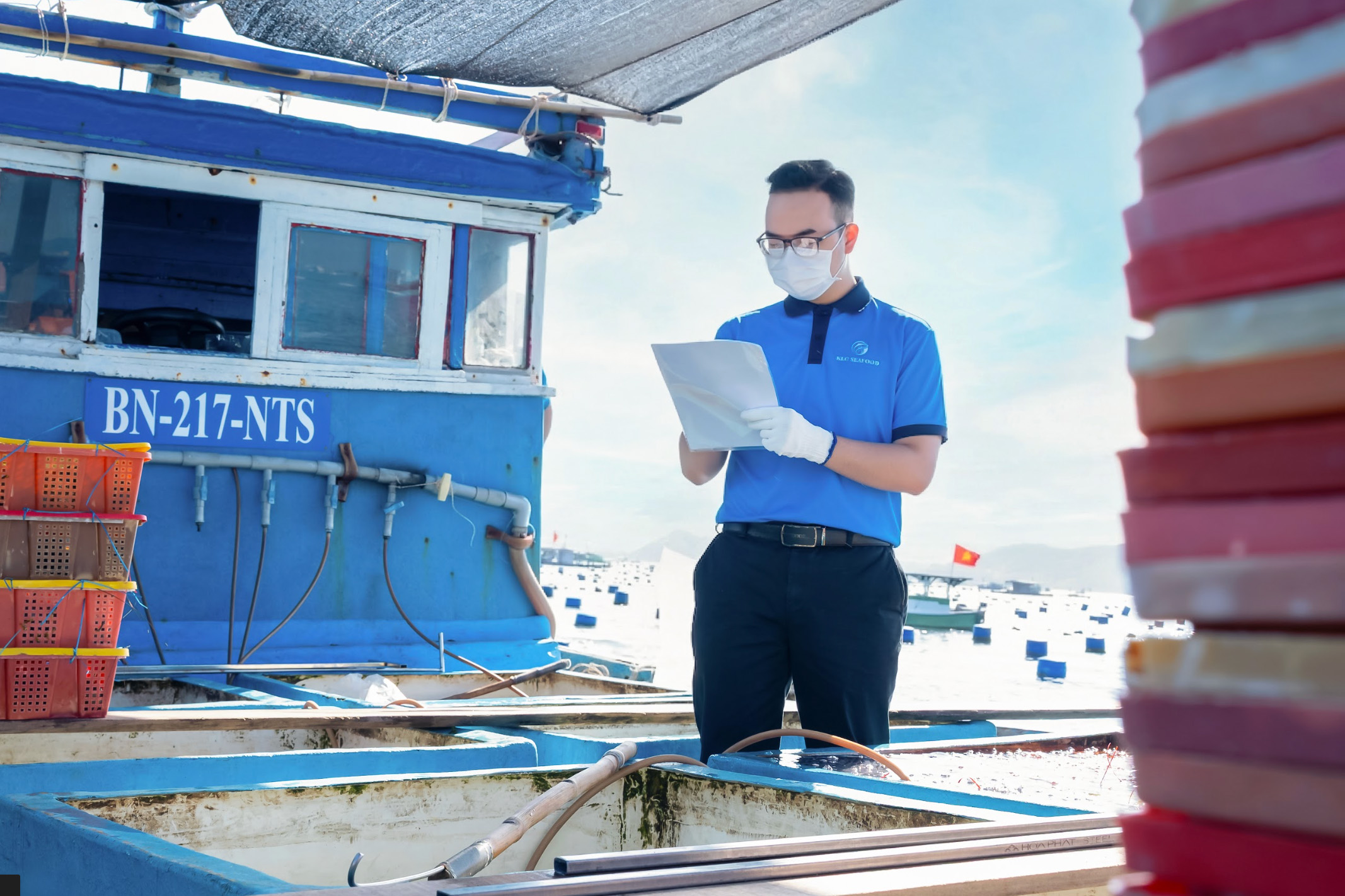
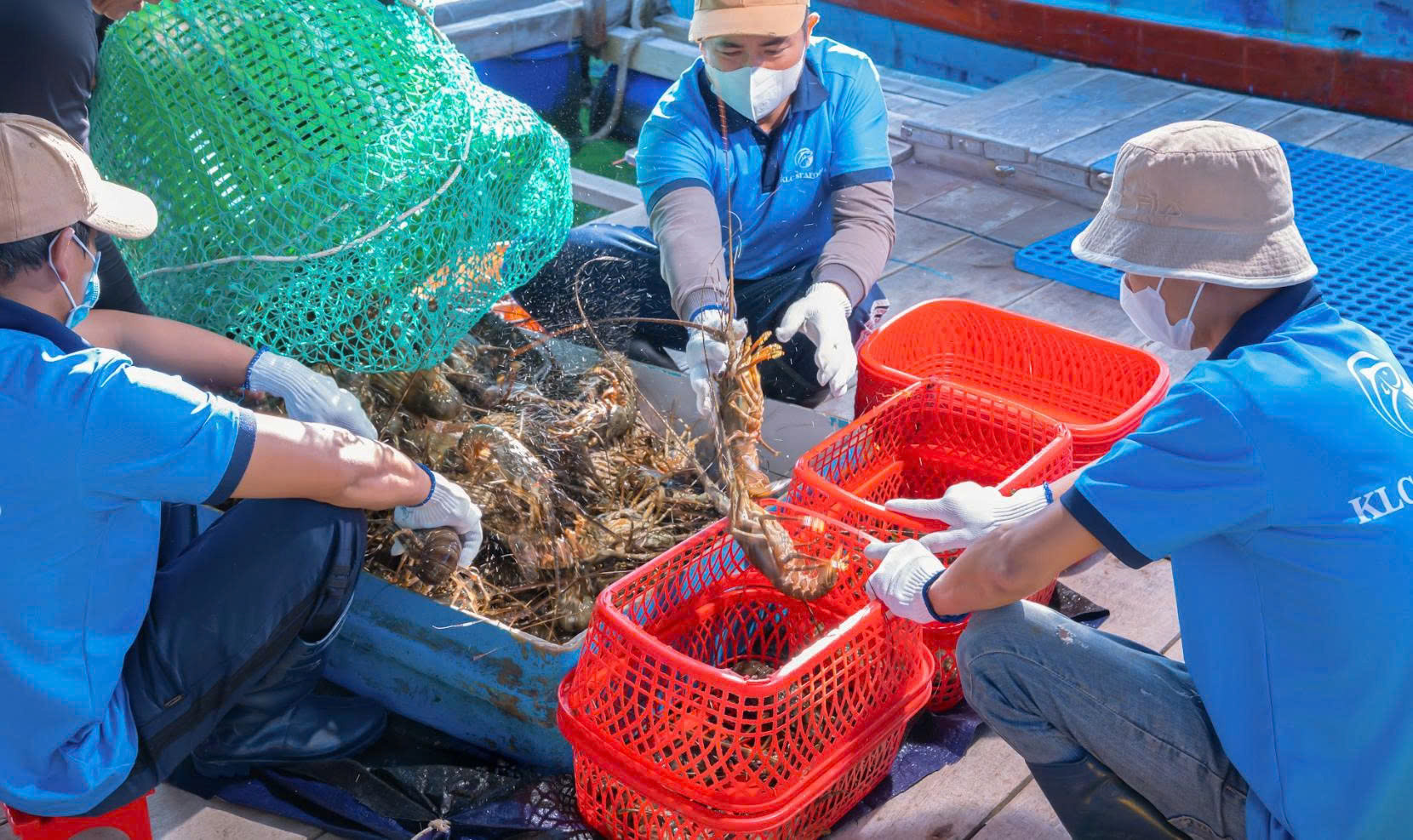
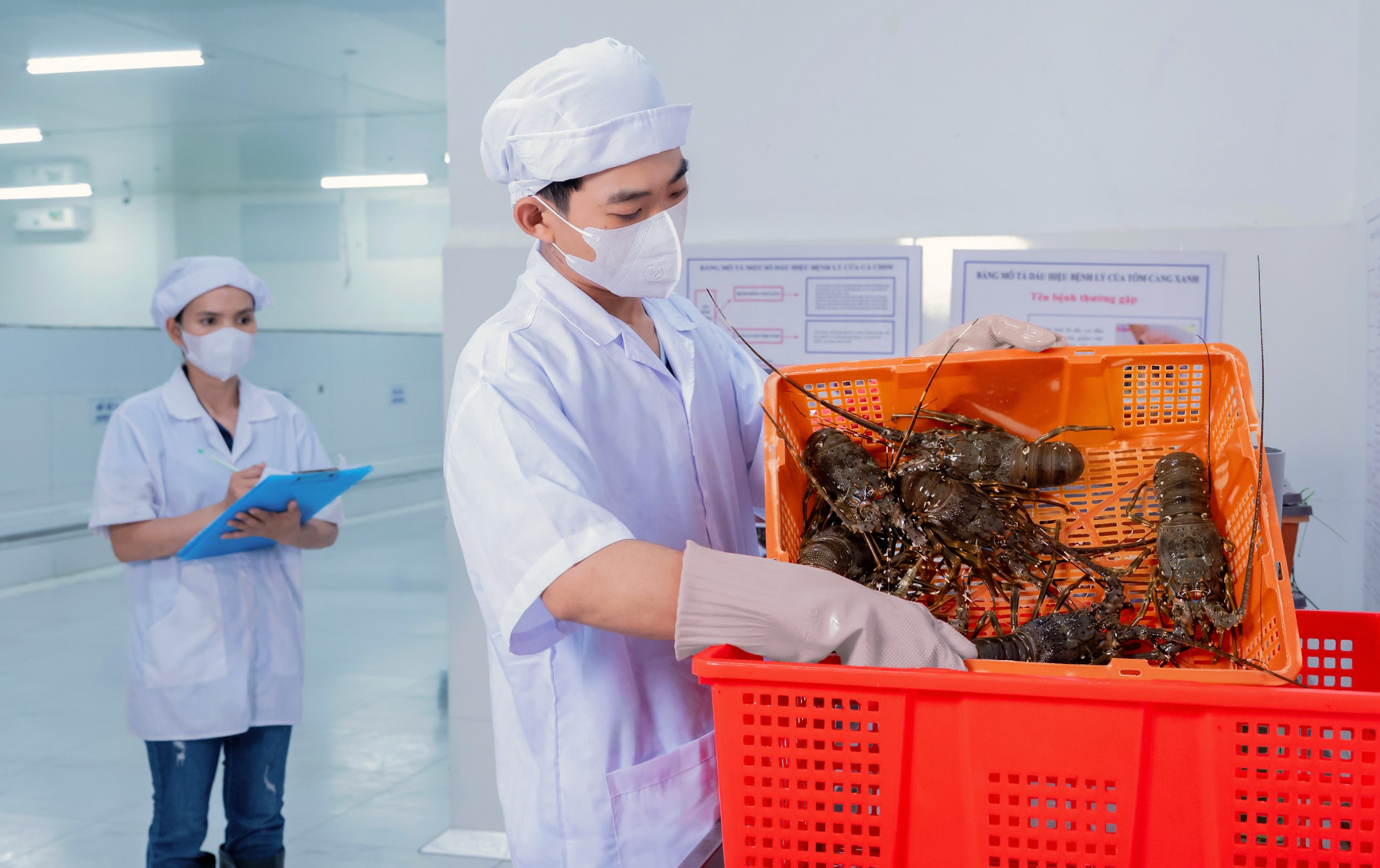
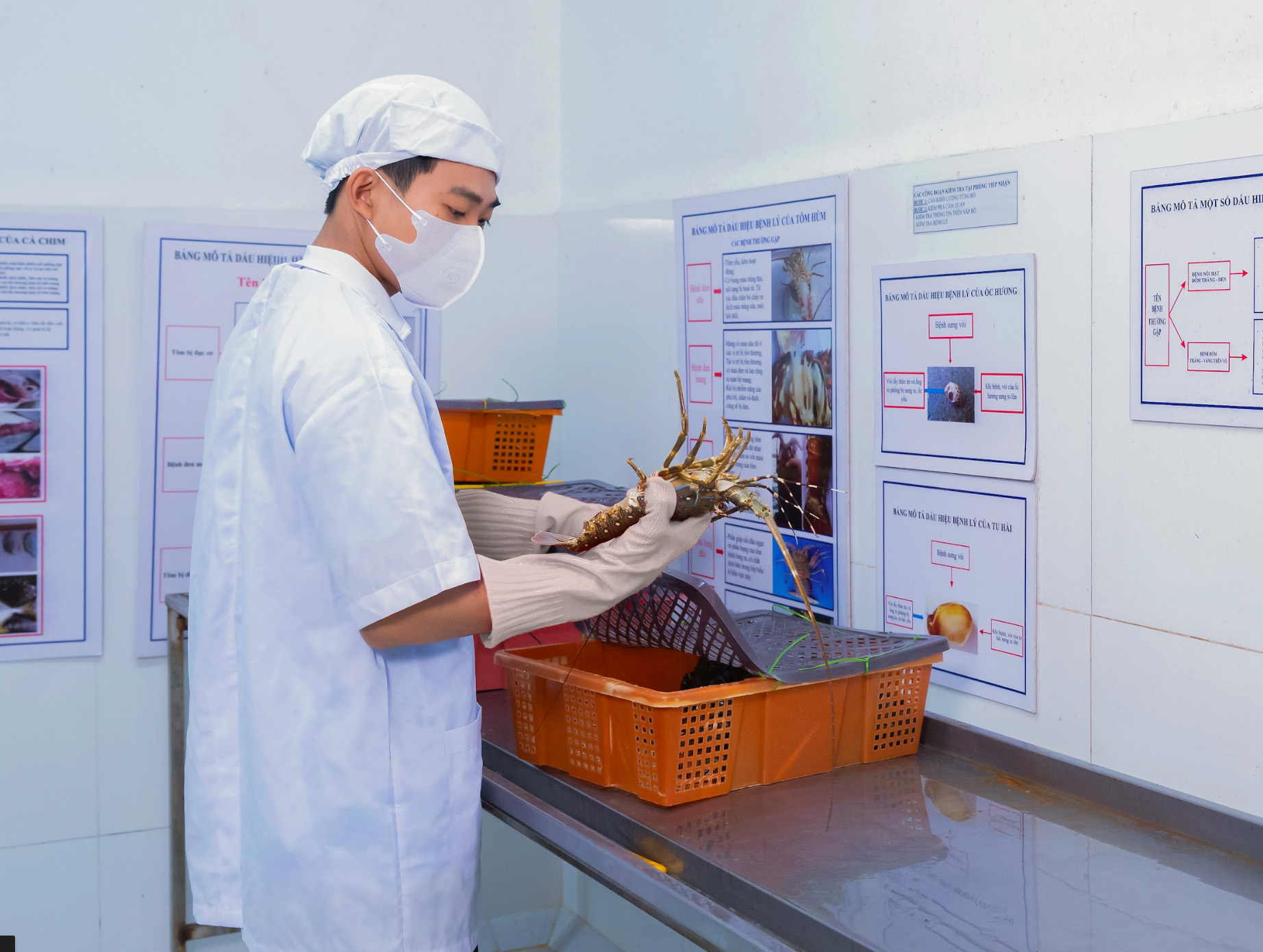
On arrival, products are inspected and graded according to the requirements of each product category and order.
Key checks for live seafood include:
- Viability and physical condition
- External condition
- Market size grade
- Uniformity
- Conformity with order specifications
- Source information
Checks at intake help KLC Seafood select products that meet requirements and establish the initial records used to manage and verify each lot in later stages.
② Live seafood requires monitoring throughout holding
Unlike many frozen or processed products, live seafood can change in quality after purchase.
Even products that meet requirements at intake can deteriorate if holding and transport arrangements are unsuitable.
After receiving and grading, products are transferred to dedicated holding systems before packing and dispatch.
KLC Seafood operates recirculating holding tanks and controls water conditions and operating parameters to maintain product condition before export.

During holding, products continue to be monitored for viability, physical condition, size and commercial specifications before they are prepared for dispatch.
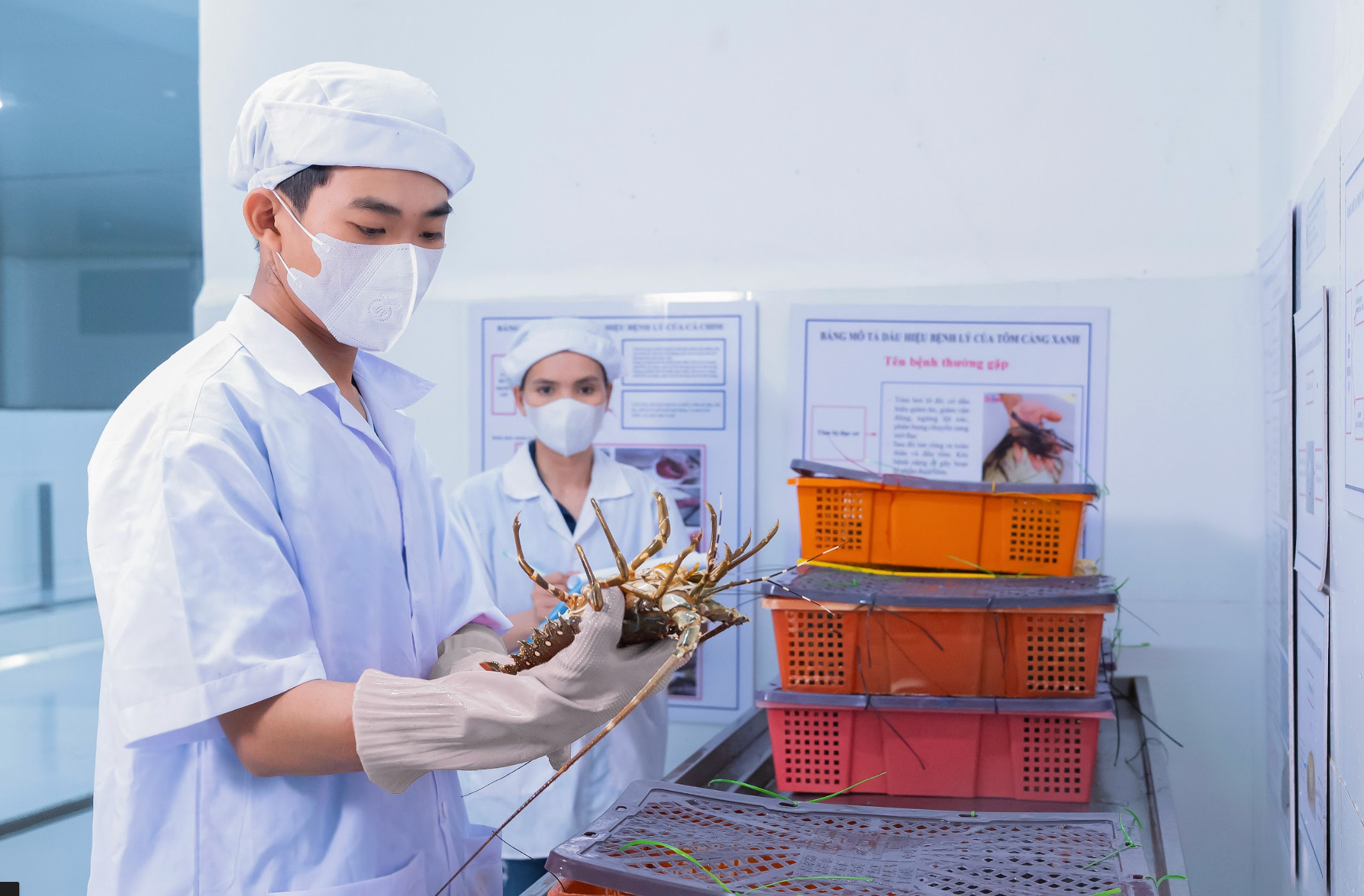
This stage is an important part of KLC Seafood’s live seafood operations.
③ HACCP as part of operational control
Phát Lợi and Gia Thịnh Phát are two member companies in the KLC Seafood ecosystem involved in procurement, holding, quality control, processing and export.
At Phát Lợi and Gia Thịnh Phát facilities covered by HACCP certification, steps such as receiving, preliminary processing or processing, and packing are controlled in accordance with HACCP requirements.
HACCP, or Hazard Analysis and Critical Control Point, helps companies identify and control food safety hazards at the stages covered by the system.
④ Traceability goes beyond identifying the farming area
In international seafood trade, identifying the farming area is one part of traceability.
A traceable lot should allow the company and its partners to verify key information throughout the sourcing process.
KLC Seafood manages information by lot so that the following details can be checked:
- Source or partnered farming area
- Timing of receiving and procurement
- Product name, size and specifications
- Holding and quality control
- Packing
- Transport
- Records related to the lot
Managing records by lot gives KLC Seafood and its partners a clearer basis for verifying the source, specifications or documentation for a particular order.
⑤ Checks before packing and dispatch
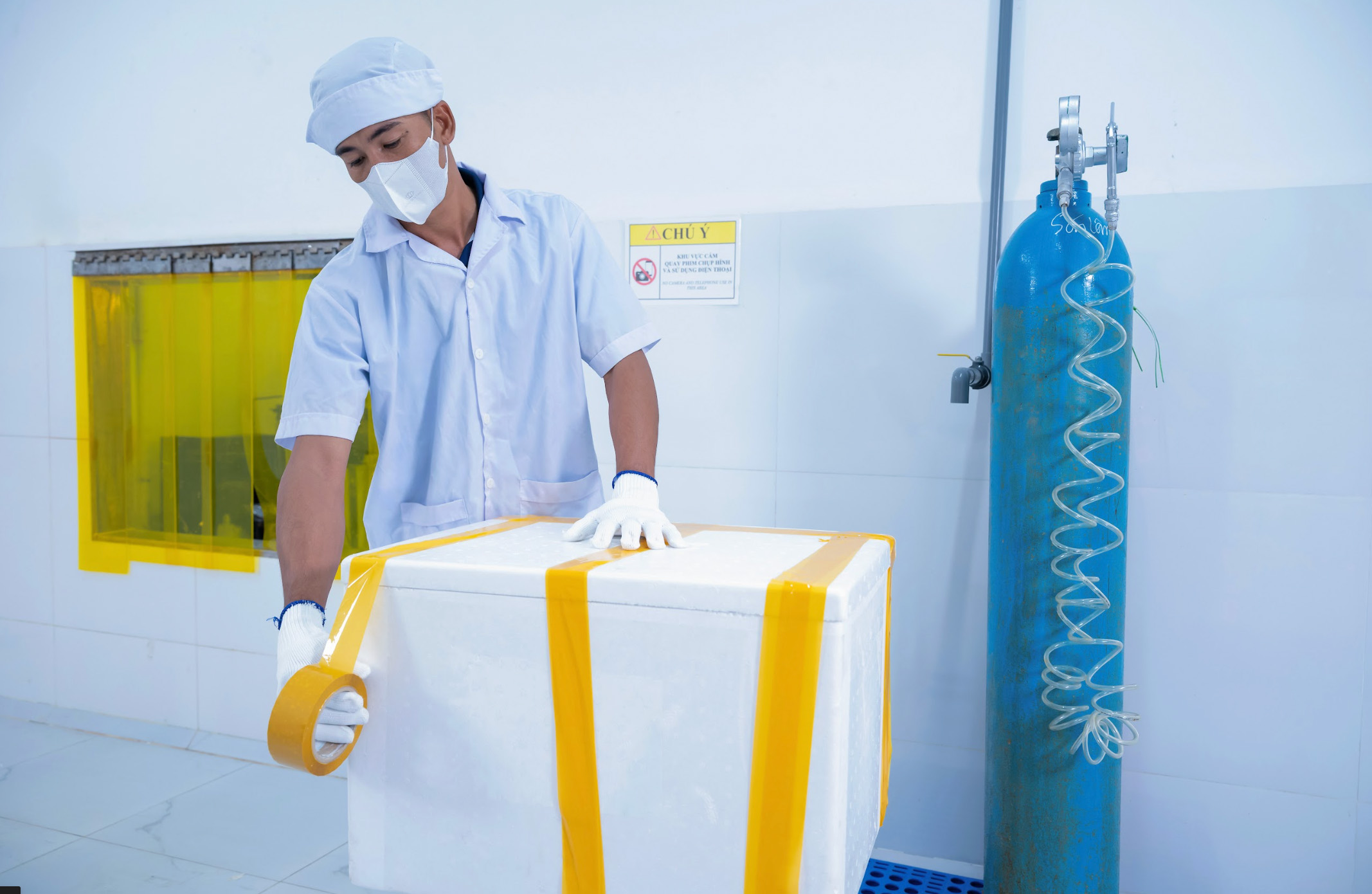
Before delivery, products are checked again against the requirements of each order.
Checks may cover:
- Product condition
- Size and specifications
- Lot information
- Packing arrangements
- Mode of transport
- Accompanying documents
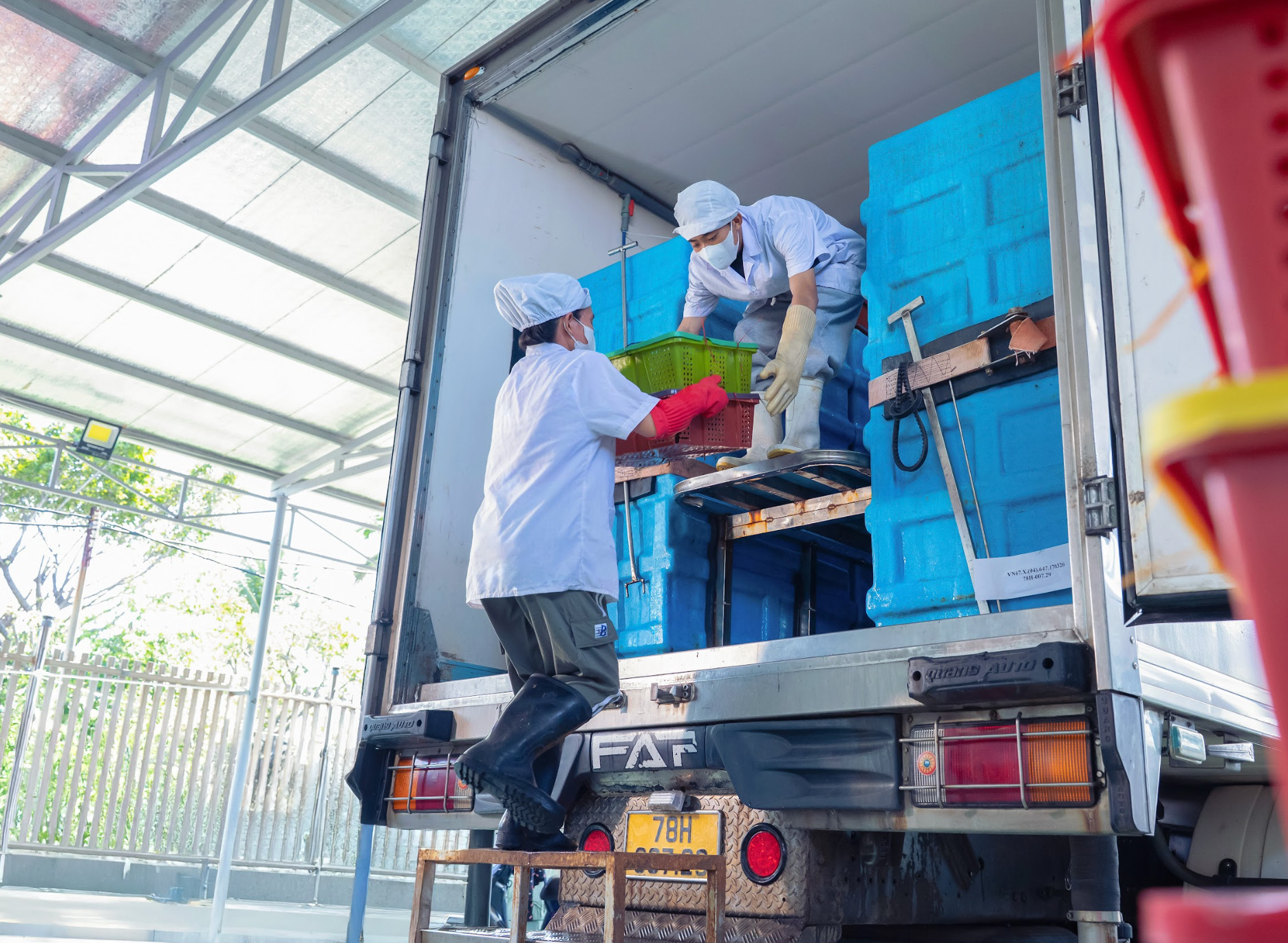
For live seafood, logistics directly affect product condition at the point of delivery.
Through its network of transport partners, KLC Seafood can arrange air and road transport for live seafood and coordinate delivery according to the market and the requirements of each order.
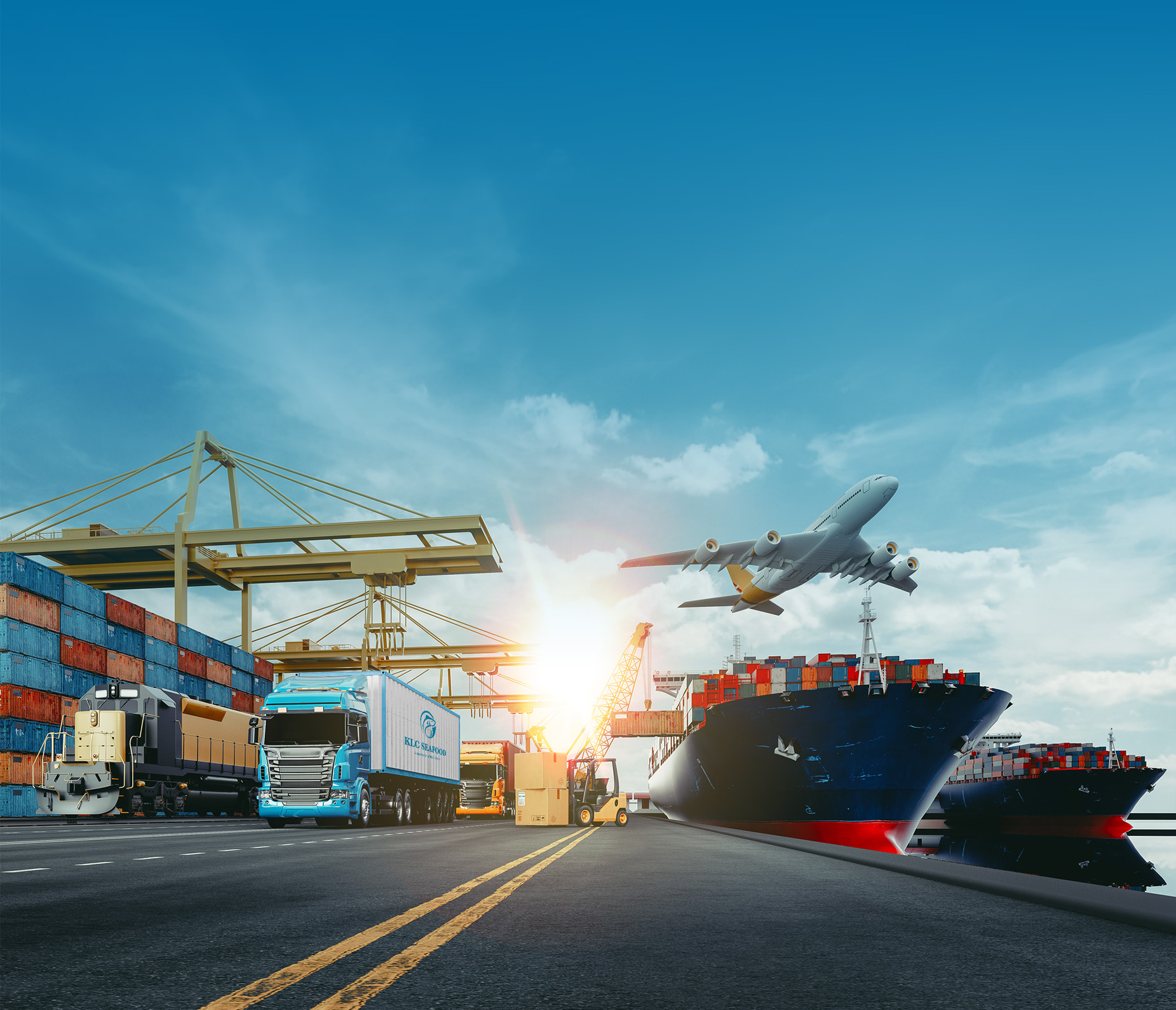
Across its ecosystem, KLC Seafood has the capacity to supply approximately 12,000 metric tons of seafood annually, supporting large orders and long-term supply needs.
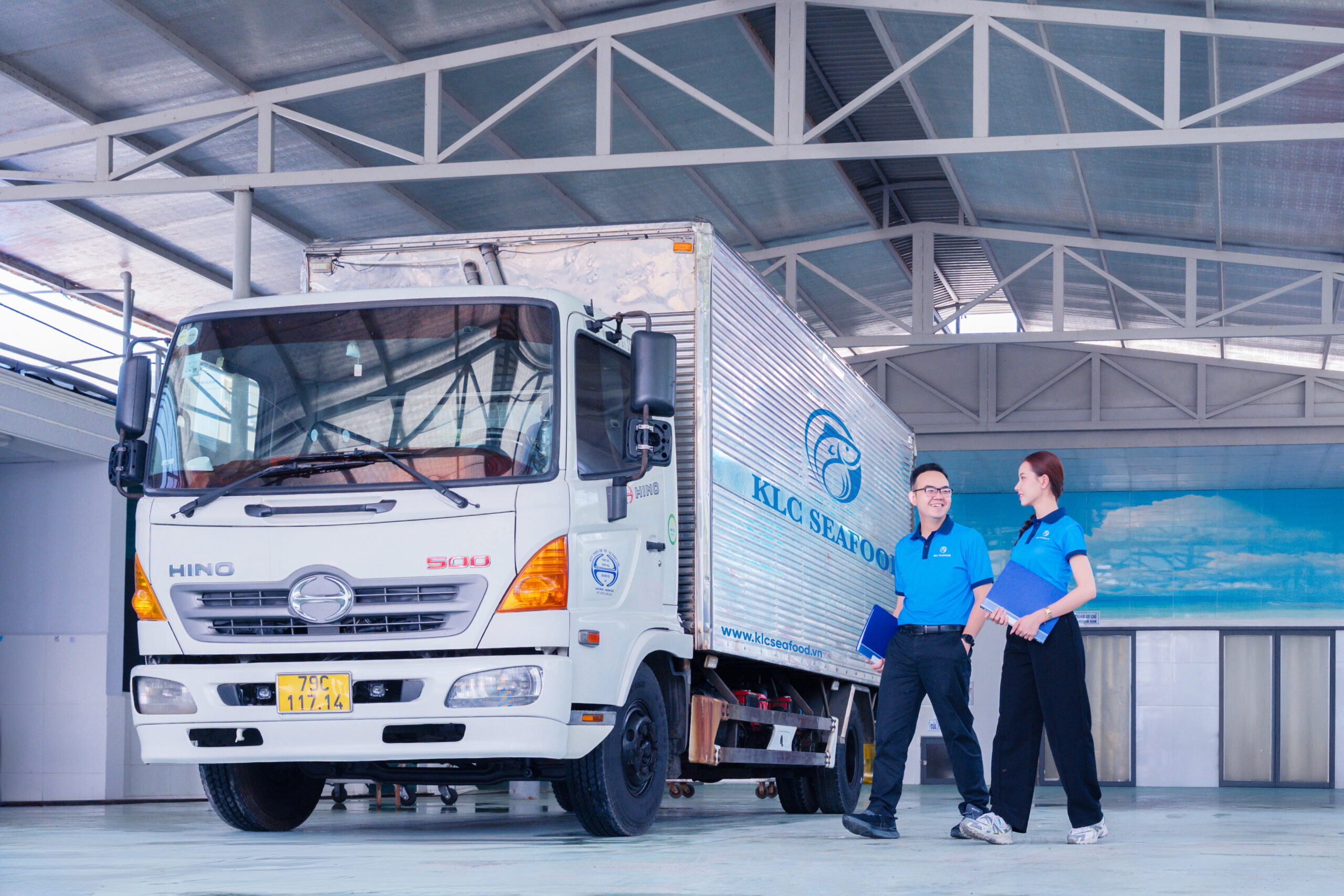
⑥ Product quality requires transparent documentation
For KLC Seafood, managing an export lot continues after packing.
Depending on the product, trading arrangements and applicable requirements for each lot, the company helps prepare information and documents covering:
- Product and specifications
- Source
- Quality information
- Lot-level traceability data
- Packing and transport
- Export and import documents required under applicable rules
Standardized records give partners a clearer basis for checking each lot and completing the relevant import procedures.
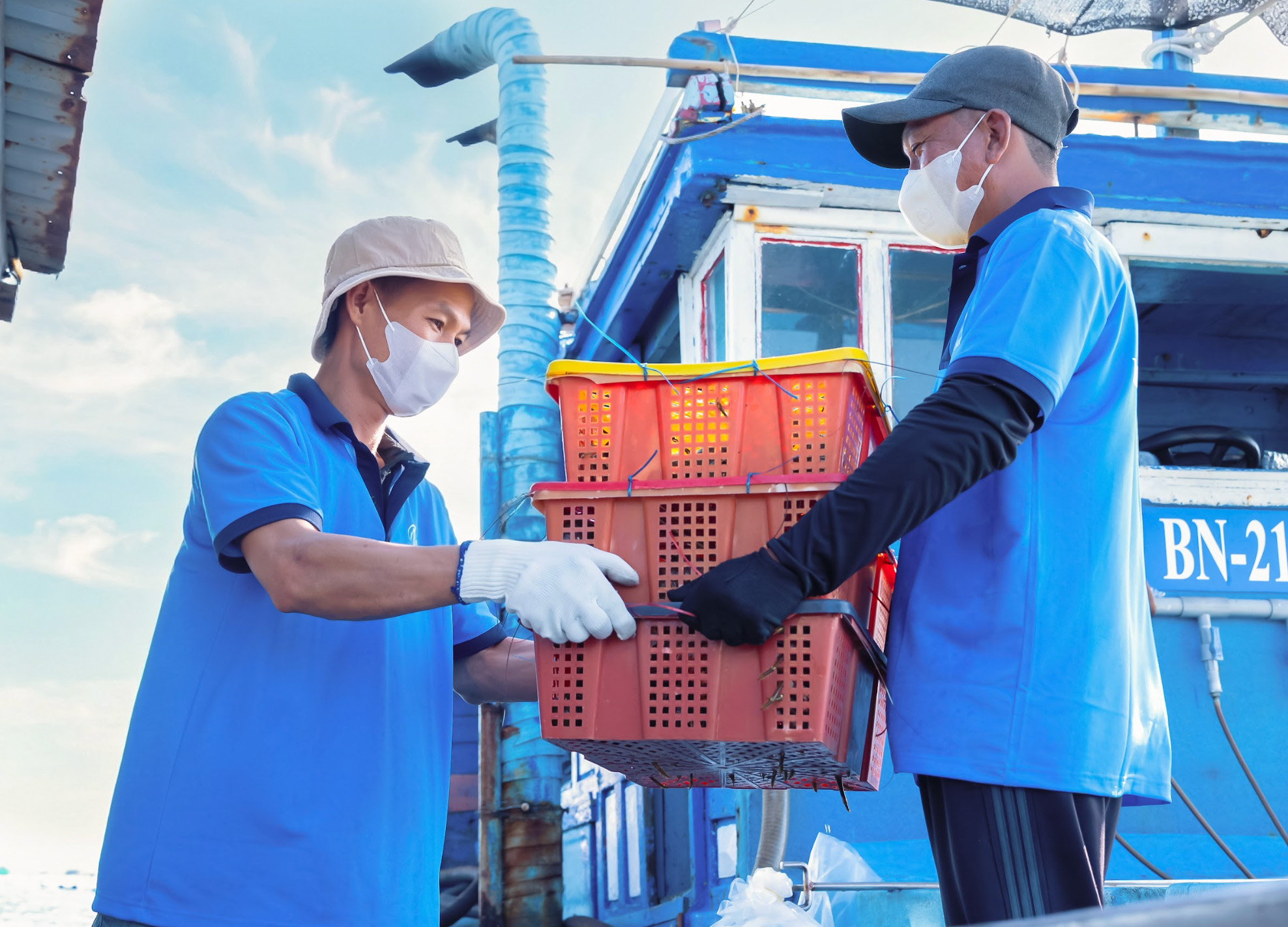
⑦ Trust comes from information partners can verify
KLC Seafood has an annual seafood supply capacity of approximately 12,000 tonnes. In the first nine months of 2026, according to VASEP data based on Vietnam Customs statistics, KLC Seafood recorded USD 153.3 million in seafood exports, accounting for 10.4% of Ho Chi Minh City’s total seafood export value. Meanwhile, Phat Loi Trading, Services and Production Company Limited recorded USD 83.0 million, representing 10.3% of Khanh Hoa Province’s total seafood export value.
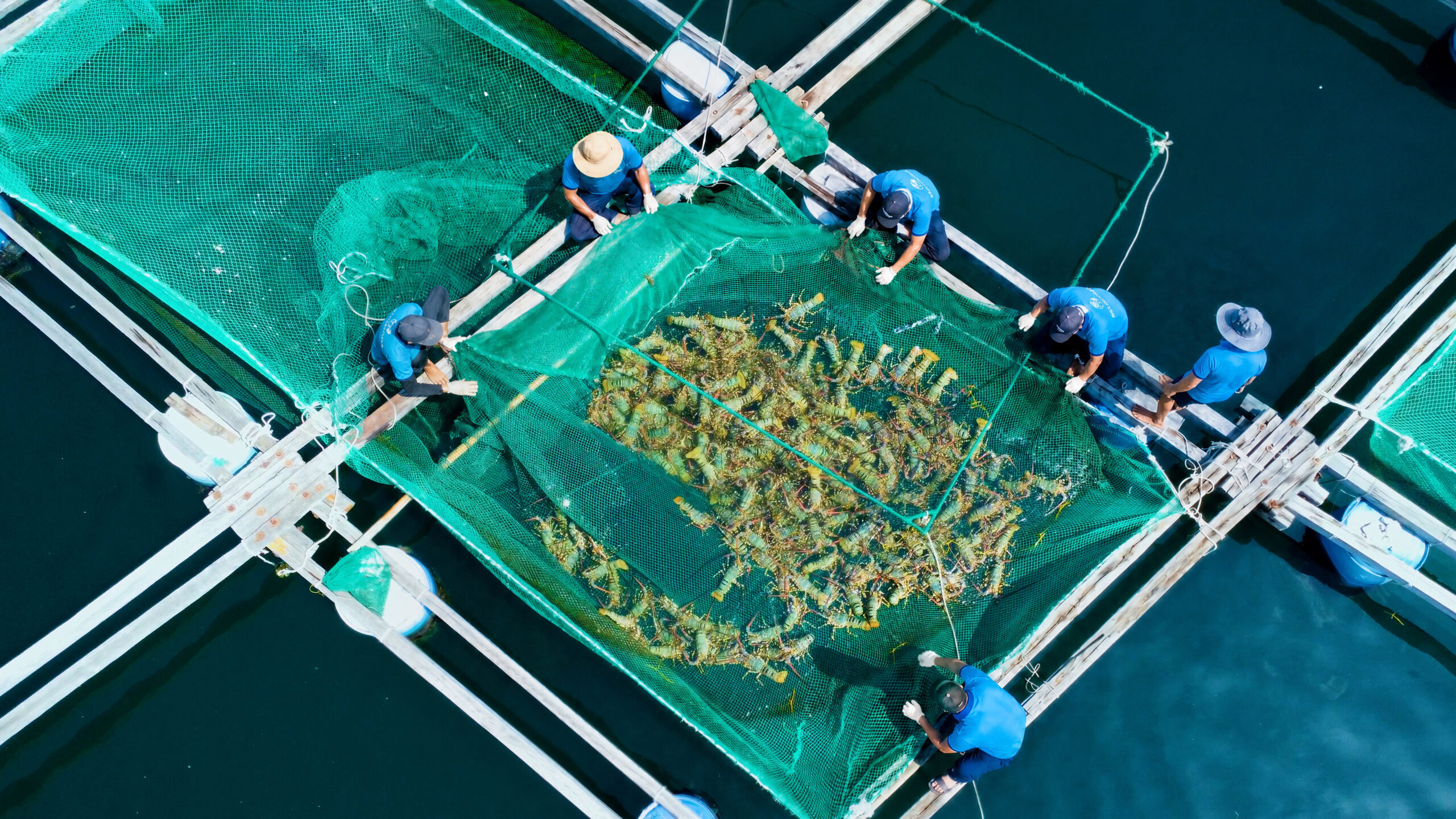
These figures reflect the scale of the companies’ operations and their participation in the export supply chain. For live seafood, this capacity must be supported by controls over sourcing, quality, records and delivery conditions for each lot.
As food safety and traceability requirements receive greater attention, buyers of live seafood expect freshness, a clearly identified source, verified quality and enough information to check each lot when needed.
Contact KLC Seafood to discuss products, specifications, sourcing requirements, documentation and suitable delivery arrangements.
- Hotline: +84 981 646 846
- Email: info@klcseafood.vn
- Website: www.klcseafood.vn